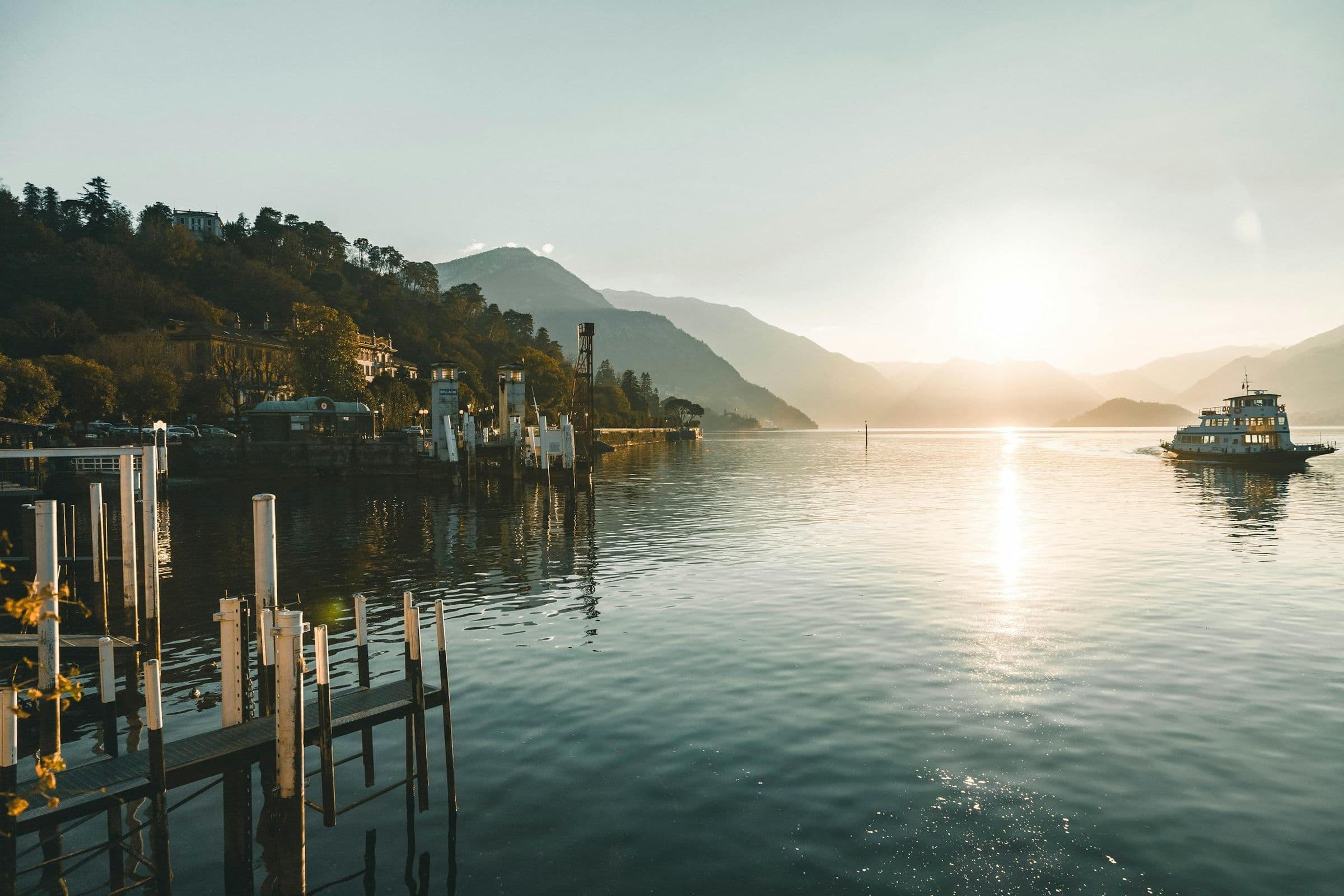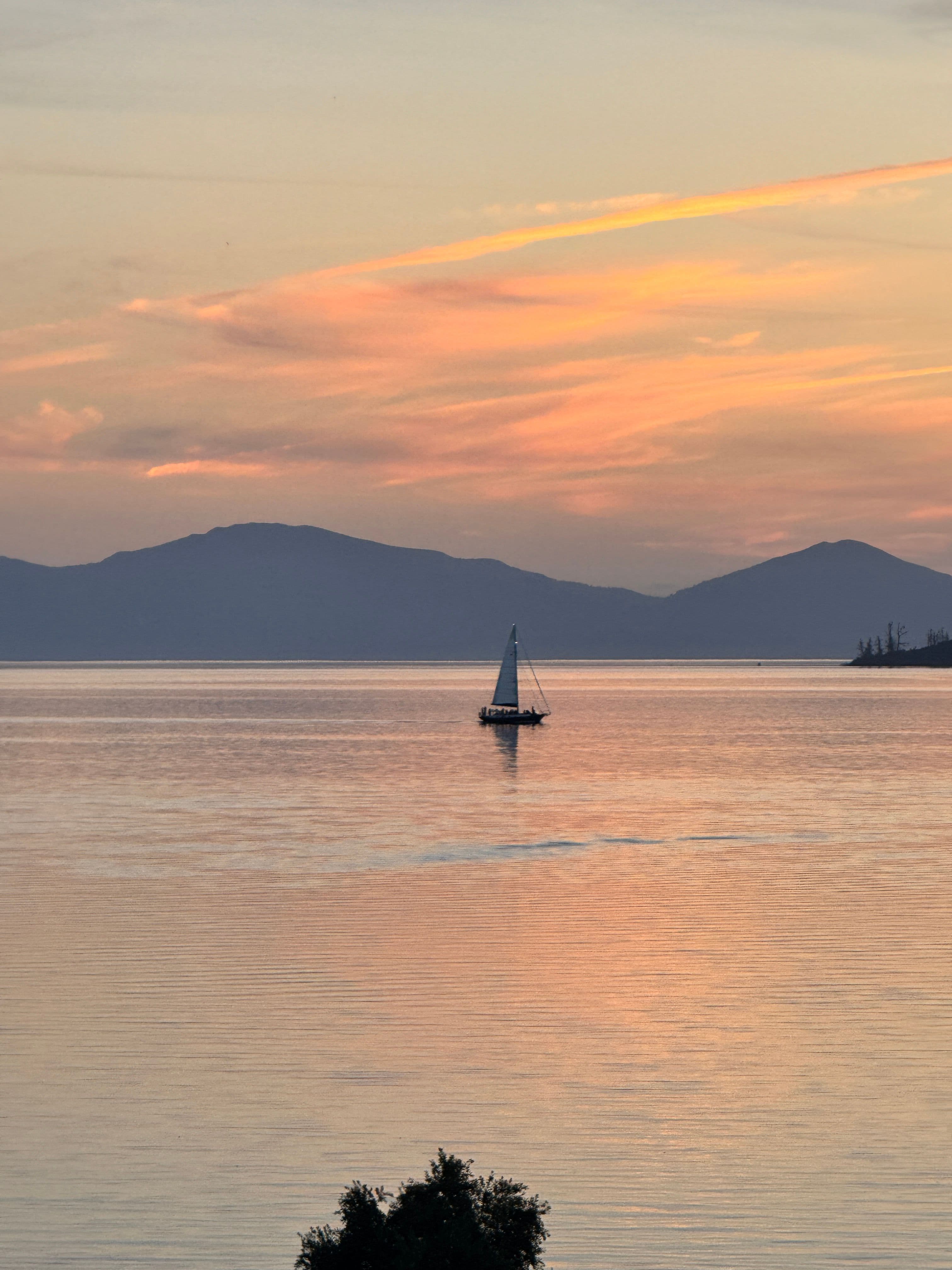
If you've been dreaming about a lake trip that feels nothing like the ones back home, let me introduce you to the middle of New Zealand's North Island. Picture a lake nearly 240 square miles across sitting inside a collapsed volcano, a city that steams, and a chain of blue and green crater lakes you can fly over in a float plane. About four hours south of Auckland, this is lake life with a volcanic twist.
Lay of the Land: The Taupō Volcanic Zone
Everything in this post sits inside the Taupō Volcanic Zone, a strip of very active earth roughly 350 kilometres long that runs from Mount Ruapehu to Whakaari/White Island off the coast. It's one of the most active volcanic regions on the planet, which is why the lakes are so oddly shaped and colored, and why the ground steams and bubbles in Rotorua.
Lake Taupō is the anchor: the largest lake in New Zealand at about 616 square kilometres, up to 186 metres deep, filling a caldera left by a massive eruption around 25,600 years ago. The Waikato River, New Zealand's longest, pours out of its northern end. About an hour and 45 minutes north is Lake Rotorua, the second largest lake on the North Island, with the city on its southern shore and more than a dozen smaller crater lakes around it.
Getting there: fly into Auckland, rent a car and drive south, about three hours to Rotorua or three and a half to Taupō, on the left side of the road. This area is best for families who like a mix of adrenaline and soaking, with a lot of scenery in between.
Where We Stayed on Lake Taupō
We based ourselves at Sails on the Lake, a motel right across the street from the shore of Lake Taupo. Having the water at the doorstep set the tone every morning- coffee across the street, tons of great restaurants within walking distance, and plenty of easy day trips to explore the surrounding areas.
Lake Taupō: Jet Boats, Bungy & a Waterfall Drop
Taupō is where the adrenaline part of the trip lived, and most of it happens on the Waikato River.
We went white water rafting, and the run included a straight vertical fall with all of us still in the raft. The river to know about for that is the Kaituna at Okere Falls, on the Rotorua side of the drive, where Tutea Falls drops about 7 metres (roughly 23 feet) and is billed as the highest commercially rafted waterfall in the world. It's a Grade 5 run, so check the minimum age before you get the kids excited.
Hukafalls Jet is the classic Taupō thrill, and a great one for families since kids only need to be a metre tall. The jet boat screams up the Waikato at around 80 km/h, does its trademark 360 degree spins next to rock walls, and pulls up in the churning tail of Huka Falls. The whole ride is about thirty minutes, and everybody came off soaked with spray and grinning.
AJ Hackett's Taupō Bungy platform hangs 47 metres (154 feet) over the green water of the Waikato, with a viewing deck for the nervous. We went bungy jumping and while I'm glad I did it in the birthplace of the activity, I think its safe to say I am a one and done jumper.
Craters of the Moon is an easy 40 minute loop on gravel and boardwalks through steaming craters, fumaroles and pools of bubbling mud, and it's fine for all ages.
We also rode hydro bikes around the lake, basically bicycles on pontoons. LAKeFUN Taupō rents them by the waterfront in town, and pedalling out onto the biggest lake in the country is the kind of low-key lake day I live for.
Lake Rotorua: Wine at the Top of the Gondola, a World Class Spa & a Little Lost Dignity
Fair warning: the whole Rotorua area smells like rotten eggs (my own description on the trip was a little less polite). That's hydrogen sulphide from the geothermal activity, and it's totally normal here. Your nose adjusts within a day, and once you get past it, this place is beautiful.
We rode the Skyline gondola up Mount Ngongotahā and went wine tasting at the Volcanic Hills Winery tasting room at the top, with all of Lake Rotorua spread out below. Volcanic Hills makes its wine in Rotorua from Marlborough, Hawke's Bay and Central Otago grapes, and you can pick a three or five wine flight. There's a luge up there too, which kids will spot immediately.
Our spa day of facials and massages was at the Polynesian Spa, which sits right on the lake and has been ranked among Condé Nast Traveller's top 10 spas in the world. It has been bathing people since 1878, and there are family pools so even if you travel with kids, they can participate in some spa time.
Waimangu Volcanic Valley was my favorite walk of the whole trip, and the scenery is gorgeous. The valley was born on June 10, 1886, when Mount Tarawera erupted and tore a 17 kilometre rift across the land, so it's often called the world's youngest geothermal system. The easy 3.6 kilometre walk passes Frying Pan Lake, the largest hot spring in the world, and the pale blue Inferno Crater before ending at Lake Rotomahana.
We went ziplining with Rotorua Canopy Tours through one of the last patches of untouched ancient native forest in the country. The Original tour takes kids from age 6, the Ultimate starts at 10, and you launch off a 1,000-year-old rimu.
Zorbing was invented in Rotorua in 1994, and the original ZORB site has four tracks, including the longest in the world, with water in the ball so you slide rather than tumble. I have never laughed so hard, and I have never felt so rough after an activity. I lost some dignity somewhere on that hill, but I can say I did it. This was also a one and done activity for me, and definitely one for the younger crowd.
Lake Ohakuri: A Boat Ride into the Hidden Valley
Lake Ohakuri is a hydro lake on the Waikato River, created in 1961 when the Ohakuri dam went in, and the reason to go is Orakei Korako, "The Hidden Valley." You park on one side, take a short boat cruise across the lake, and step off onto a geothermal park that feels like a secret. The dam drowned part of the springs, but what's left is still the largest geyser field in New Zealand.
We walked the loop past the silica terraces, with little geysers spitting away and mud pools glopping, plus Ruatapu Cave, one of only two known caves in the world inside a geothermal field. It's roughly half an hour north of Taupō, a little over an hour from Rotorua, and quieter than the big name parks.
Lake Rotoiti: The Float Plane Day That Topped All of New Zealand
A private float plane picked us up right from our lodge on Lake Rotorua, which was Koura Lodge. Operators like Volcanic Air fly this route from the Rotorua lakefront and offer private charters, which is what we did. We taxied out, lifted off the water, and within minutes the city was behind us and the crater lakes started rolling out below. From the air the colors are so vivid they don't look real.
Lake Rotokākahi, the Green Lake, came first, glowing emerald because of its shallow, sandy bottom. It's tapu (sacred) to Tūhourangi and Ngāti Tūmatawera and closed to the public, so no swimming, boating or fishing. Right next door and about 24 metres higher sits Lake Tikitapu, the Blue Lake, small and deep and a completely different shade because the bed is rhyolite and pumice.
Then Lake Ōkāreka, a small lake with a community of about 600 people and wetland boardwalks, and Lake Ōkataina, "the lake of laughter," ringed entirely by native forest, with no inlets or outlets and nothing built on its shore. Next came Lake Tarawera, the biggest of the group, sitting under the split, scarred bulk of Mount Tarawera. That mountain erupted in the early hours of June 10, 1886, killed around 120 people, and buried the village of Te Wairoa, which you can still visit as the Buried Village.
Lake Rotomahana rounds out the flight, and it has the saddest story. Before 1886 it was home to the Pink and White Terraces, cascading silica staircases that were called the eighth wonder of the world. The eruption blew the lake apart and it refilled three times wider and longer than before, with the terraces somewhere beneath it. Knowing that as you fly over the calm blue surface hits differently.
From there the plane banked toward Lake Rotoiti and set down in a quiet bay at Manupirua Springs hot pools, which are only reachable by boat or plane. That's why almost nobody was there. There are seven pools at different temperatures tucked into the hillside with the lake right in front of them. We spent a couple of hours hopping between the hot pools, swimming in the lake, hanging out on the dock and enjoying some snacks and beverages before the plane took us back to the lodge. It was amazing! Best and last thing we did in New Zealand, and I'd fly back tomorrow to do it again. It was by far my favorite activity of the trip.
Rotoiti means "small lake" because the explorer who named it could only see a corner of it. It's actually 34 square kilometres and 100 metres deep, and it drains into the Kaituna River, the same river with the waterfall from the start of the trip.
Where to Eat
We didn't keep a restaurant diary on this trip, but two spots are easy wins. In Taupō, the lakefront along the Great Lake Pathway is lined with cafes looking out at the water, perfect for a long brunch before a jet boat. In Rotorua, head to Eat Streat, a covered pedestrian strip at the lake end of Tutanekai Street with a dozen or so restaurants and bars, from pub food and steaks to Indian and Italian, plus Lady Janes ice cream parlour for a sweet treat. The footpath is geothermally heated, which is a fun and unique experience.
Tips for Planning Your Trip to Taupō and Rotorua
- Fly into Auckland and rent a car. You'll want it for bouncing between Taupō, Rotorua and Orakei Korako.
- Book the float plane first and build the rest of the trip around it. Good weather windows go quickly. We booked this towards the end of our trip and it had to be shifted a couple times due to bad weather but were able to squeeze it in on the very last day.
- Check minimum ages before you promise anything: the rafting, the bungy and the Ultimate zipline have limits, while Hukafalls Jet, ZORB and Craters of the Moon all have different age limits.
- Pack swimsuits and a towel in the car every single day. Hot pools show up everywhere so you never know when you'll be getting wet.
- Summer (December through February) is peak season. Spring and fall are quieter, with cool mornings when the geothermal steam looks its best. March was Perfect time of year with a mix of both hot and cool throughout the days.
Make New Zealand's Lake Country Your Next Lake Escape
Every lake on this trip had its own personality: Taupō for the adrenaline, Rotorua for the soaking and the laughs, Ohakuri for the hidden valley, and Rotoiti for the day that beat everything else we did in New Zealand. If you want a lake trip that feels nothing like the ones at home, put this one at the top of the list, and keep a swimsuit in the car.
If you're planning a lake trip and want help organizing where to stay, what to book, and how to maximize your time, I'd love to help! As a lake travel expert, I specialize in matching families with the perfect getaway that blends comfort, adventure, and ease. Reach out for help with planning!